Best Time for Gorilla Habituation Experience in Uganda
The best time for Gorilla Habituation Experience in Uganda is generally during the drier months of June to September and December to February. During these periods, Bwindi Impenetrable National Park usually experiences more favourable conditions for walking through the forest, with less persistent rainfall and trails that are often easier to navigate.
However, there is no single month that guarantees the perfect Gorilla Habituation Experience. Bwindi is a tropical rainforest, and rain can occur at any time of the year. The location of the gorilla family, the condition of the forest trails, your fitness level and your personal travel priorities can all influence how enjoyable the experience will be.
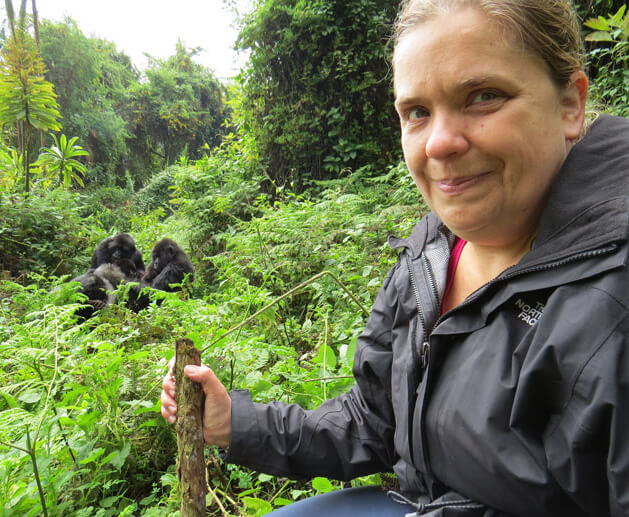
This is important because Gorilla Habituation Experience is different from an ordinary nature walk. Visitors may spend several hours moving through steep and dense forest before finding the gorilla family. Once the gorillas are located, visitors can spend up to four hours observing and following them under the guidance of experienced trackers and researchers.
For travellers who want the easiest possible forest conditions, the dry seasons are usually the preferred choice. For travellers who do not mind rain and want fewer tourists, greener scenery and potentially better accommodation rates, the wetter months can also be an excellent time to visit.
When Is the Best Time for Gorilla Habituation Experience?
The two main dry periods in Uganda are:
June to September
December to February
These months are widely preferred for gorilla trekking and Gorilla Habituation Experience because the weather is generally more favourable for hiking. Forest paths are often less muddy than during periods of heavier rainfall, and visitors may find it more comfortable to spend several hours walking through Bwindi.
June, July, August and September are particularly popular because they fall within Uganda’s main dry season. December, January and February provide another relatively dry period before the heavier rains associated with the first wet season.
Even during these months, however, visitors should not expect completely dry weather. Bwindi is a rainforest, and rainfall remains possible throughout the year. A sunny morning can change into a wet afternoon, particularly in the higher areas of the forest.
For this reason, a waterproof jacket and suitable hiking footwear should be part of your packing list regardless of the month you choose.
June to September: A Popular Time to Visit Bwindi
The period from June to September is one of the most popular times for the Gorilla Habituation Experience in Uganda.
The weather is generally more suitable for outdoor activities, making this season attractive to travellers who want to combine gorilla habituation with other activities in Uganda. The forest trails can still be challenging, but reduced rainfall can make some sections more manageable.
The months are also popular for general safari travel. Many visitors combine Bwindi with destinations such as Queen Elizabeth National Park, Kibale Forest and other parts of Uganda.
The main disadvantage is demand.
Because many international travellers prefer the drier months, accommodation and gorilla permits can be in high demand. If you have specific travel dates, it is wise to arrange your Gorilla Habituation Permit and accommodation well in advance.
This is especially important if you want a particular lodge, a private safari arrangement or a specific habituated gorilla family.
You can learn more about the permit itself through our guide to the Gorilla Habituation Permit in Uganda, which explains the permit, its purpose and the planning considerations involved.
December to February: Another Excellent Season
December through February provides another favourable period for Gorilla Habituation Experience.
The beginning of December can be busy because of the Christmas and New Year holiday period. January and February can provide a quieter atmosphere compared with the end of December, although demand remains strong during the general dry season.
The forest is still green, and the scenery remains beautiful. The combination of relatively favourable weather and good conditions for hiking makes this period attractive to travellers who want to explore Bwindi without making their entire trip dependent on avoiding rain.
February can also be an appealing month for visitors who want to travel before the heavier rains of March, although weather patterns can vary from year to year.
If you are travelling during December, it is particularly important to plan early. International flights, accommodation and safari arrangements can become busy around the holiday season.
Can You Do Gorilla Habituation Experience All Year Round?
Yes its possible, Gorilla Habituation Experience can be done throughout the year in Bwindi Impenetrable National Park.
There is no season in which the experience simply stops because of rain. Gorilla families remain in their natural habitat throughout the year, and the forest continues to provide food and shelter regardless of the season.
This means you do not necessarily need to postpone your trip if your available travel dates fall in March, April, May, October or November.
In fact, travelling during a wetter period can have its own advantages.
The forest can be exceptionally lush, the mist can create spectacular scenery and there are generally fewer visitors compared with the busiest travel periods. Some accommodation properties may also offer more attractive rates outside the peak season.
The main consideration is that rain can make the forest more difficult to walk through. Trails may become muddy and slippery, and wet vegetation can make the trek feel more demanding.
Therefore, the wet season is not a bad time for Gorilla Habituation Experience. It simply requires a traveller who is comfortable with less predictable weather.
March to May: The First Wet Season
March, April and May are traditionally associated with Uganda’s first major wet season.
Rainfall can be more frequent during this period, and forest trails may become wetter and muddier. For some visitors, this makes the physical side of the trek more challenging.
However, there is another side to the story.
Bwindi looks particularly beautiful when the forest receives regular rainfall. The vegetation becomes intensely green, streams can be flowing and mist often hangs around the forested hills.
Photographers and travellers who enjoy dramatic rainforest scenery may appreciate these conditions.
Another potential advantage is lower visitor demand. With fewer travellers competing for accommodation and safari services, you may have more flexibility when arranging your trip.
It is important, however, not to assume that visiting during the wet season automatically means the gorillas will be found close to the trailhead.
The gorillas move according to their own behaviour, feeding patterns and environmental conditions. Some days can involve a relatively short walk, while other days can require several hours of searching through challenging terrain.
The weather may influence the experience, but it does not determine exactly where the gorillas will be.
October to November: The Second Wet Season
October and November bring another period of increased rainfall.
As with March through May, the forest is often exceptionally green during these months. Rain can make trails slippery, so good footwear and waterproof clothing are particularly important.
For travellers who prefer quieter travel periods, October and November can be worth considering.
The experience itself does not become less meaningful because it rains. In fact, moving through a misty rainforest while tracking mountain gorillas can create a memorable atmosphere that is very different from visiting during bright, dry weather.
The tradeoff is comfort.
If you strongly prefer dry trails and predictable outdoor conditions, June to September or December to February may suit you better. If you are flexible and do not mind getting wet, the wet season can offer a rewarding alternative.
Does the Rain Make Gorilla Habituation Experience Difficult?
Rain can make the trek more difficult, but it does not necessarily make the experience unsuitable.
The biggest difference is usually the condition of the forest floor. Heavy or prolonged rainfall can turn sections of the trail into mud. Slopes may become slippery, and climbing or descending can require extra care.
Bwindi is already a mountainous environment, so visitors should expect some steep sections regardless of the season.
The challenge comes from the combination of terrain and weather.
You may walk uphill through dense vegetation, cross uneven ground and then encounter a muddy section after rainfall. The forest can also be humid, which means you may feel warm even when the temperature itself is not particularly high.
This is why preparation matters more than simply choosing a particular month.
A pair of strong hiking shoes with good grip, waterproof clothing, long trousers and a small backpack can make a significant difference.
A porter can also be extremely useful. Porters can carry your daypack and provide assistance on difficult sections of the trail, allowing you to concentrate on the forest and the gorillas.
Is the Gorilla Habituation Experience Easier During the Dry Season?
Generally, the dry season can make the physical conditions more comfortable, but it does not guarantee an easy trek.
This distinction is important.
Dry weather does not control where the gorillas are located. The family may still be deep inside the forest or on a steep hillside. Visitors may therefore encounter a demanding hike even during June, July, August or January.
The advantage of the dry season is mainly the condition of the trails and the reduced likelihood of prolonged rainfall during your trek.
You should still prepare for a genuine forest hike.
If you are concerned about the physical demands, our guide explaining How Difficult Is the Gorilla Habituation Experience Trek? can help you understand what to expect before booking.
What About Gorilla Behaviour During Different Seasons?
Mountain gorillas do not follow a simple seasonal timetable that allows visitors to predict exactly where they will be.
Their movements are influenced by food availability, group behaviour, social activity and other natural conditions.
This means there is no particular month when you can guarantee a close encounter simply because of the weather.
Experienced trackers begin the search each day and use their knowledge of the gorilla families and recent movements to locate them.
Once the family has been found, visitors follow the trackers and researchers while maintaining the required distance and observing the gorillas without disturbing them.
This unpredictability is part of the appeal of the experience.
You are entering a living rainforest rather than visiting a controlled attraction. The forest determines the day’s journey.
Is the Wet Season Better for Seeing Gorillas?
It would be misleading to say that the wet season is always better for seeing gorillas.
The gorillas are present throughout the year, and their exact location changes.
Some people believe that rain automatically causes gorillas to remain in particular areas or that wet season visitors will always have shorter hikes. While weather and food availability can influence animal movements, there is no reliable rule that guarantees a shorter trek during the rainy months.
One visitor may have a relatively short search during the wet season, while another may spend several hours in the forest.
The same applies during the dry season.
For this reason, choose your travel month based on the overall experience you want rather than expecting the weather to guarantee a particular gorilla location.
Best Months for Photography
Gorilla Habituation Experience is an excellent opportunity for wildlife photography throughout the year.
The dry seasons can provide better walking conditions and periods of brighter light. The wet seasons, on the other hand, can create a distinctly atmospheric rainforest environment.
Mist, wet leaves, deep green vegetation and soft light can produce beautiful images.
Photography during gorilla habituation requires patience. Gorillas may be sitting quietly, feeding, climbing, moving through vegetation or resting. Sometimes the best photographs are not the dramatic action shots but the small moments that reveal the behaviour and personality of the animals.
A camera with a suitable lens can be useful, but you should also be prepared to protect your equipment from rain and humidity.
Best Time for Fewer Tourists
If avoiding crowds is important to you, the wetter months can be attractive. March through May and October through November generally experience lower tourist demand than the main dry seasons.
Fewer visitors can create a quieter overall safari experience, from accommodation to activities in the region.
However, the number of people participating in a particular habituation experience is controlled by the rules governing the activity, so choosing a low season does not necessarily mean having a completely private forest.
The major advantage is that the wider tourism environment may feel less busy.
For travellers who value peace, flexibility and a slower pace, this can be a strong reason to consider travelling outside the peak months.
Best Time for Families and Older Travellers
Families and older travellers should consider the physical demands of the experience when choosing a travel period.
The dry season may be preferable because trails can be easier to manage when there has been less rainfall. However, fitness and preparation remain more important than the month itself.
Gorilla Habituation Experience involves walking through a mountainous rainforest, and the duration of the search cannot be predicted in advance.
Anyone concerned about mobility or fitness should discuss their needs with their safari operator before travelling.
Hiring a porter is also worth considering. A porter can carry your belongings and assist when the trail becomes difficult.
The objective should be to make the experience enjoyable and manageable rather than treating the trek as a test of endurance.
How Far in Advance Should You Book?
Choosing the right month is only one part of planning a Gorilla Habituation Experience.
The number of habituation permits available is limited, so early panning is recommended, particularly if you are travelling during the busiest periods.
For popular travel months, booking several months ahead gives you a better chance of securing your preferred dates and accommodation.
Travellers planning far ahead may want to begin the process six to twelve months before their trip, especially when travelling during June to September or around December and February.
For lower season travel, two to four months may provide more flexibility, although availability can never be guaranteed.
If your dates are fixed, it is better to start earlier rather than waiting for the last minute.
Our guide on How to Book Gorilla Habituation Permits provides more information about the booking process and planning your visit.
What Should You Pack for Gorilla Habituation Experience?
Your gorilla habituation packing list should reflect the fact that Bwindi is a tropical rainforest.
Regardless of the season, consider bringing:
• Sturdy hiking shoes with good grip
• Lightweight waterproof clothing
• Long trousers
• Long sleeved clothing
• A small backpack
• Drinking water
• Insect repellent
• Sunscreen
• A hat
• Camera equipment
• Extra batteries or a power bank
• Binoculars if you use them
• Gardening gloves for protection against vegetation
During wetter months, waterproof protection becomes even more important.
Avoid carrying an unnecessarily large backpack. You will be walking through challenging terrain, and a lighter load can make the experience much more comfortable.
What Is the Best Time for Gorilla Habituation Experience Overall?
If weather and walking conditions are your main priorities, June to September and December to February are generally the best periods to consider.
If you prefer fewer visitors, potentially lower accommodation rates and the atmosphere of a wet tropical forest, March to May and October to November can also be rewarding.
There is therefore no single best month for everyone.
The right time depends on what matters most to you.
Choose the dry season if you want a higher chance of more comfortable trail conditions. Choose the wet season if you are flexible with weather and value quieter travel and lush rainforest scenery.
Most importantly, remember that mountain gorillas do not follow a visitor’s preferred schedule. Their movements are natural and unpredictable. The weather can influence trail conditions, but it cannot guarantee where the gorillas will be found or how long the search will take.
Dry Season Versus Wet Season
| Consideration | June to September and December to February | March to May and October to November |
|---|---|---|
| Rainfall | Generally lower | Generally higher |
| Trail conditions | Often easier | Can be muddy and slippery |
| Forest scenery | Lush and green | Very lush and atmospheric |
| Tourist demand | Generally higher | Generally lower |
| Accommodation | May be more expensive | Possible lower rates |
| Gorilla availability | Available throughout the year | Available throughout the year |
| Hiking conditions | Generally more comfortable | More challenging when wet |
| Photography | Good conditions | Excellent rainforest atmosphere |
| Advance planning | Strongly recommended | Still recommended |
Should You Choose Dry or Wet Season?
For a first time visitor who wants to minimise the weather related challenges of hiking through Bwindi, the dry season is the safest recommendation.
June to September and December to February offer generally better conditions for walking and are particularly attractive to travellers with fixed itineraries.
But do not dismiss the wet season.
A rainy morning in Bwindi does not mean a disappointing Gorilla Habituation Experience. It can mean walking through a mist covered rainforest, listening to birds and insects, watching water fall from the leaves and eventually coming face to face with a mountain gorilla family in its natural environment.
For some travellers, that is precisely the experience they are looking for.
The important thing is to arrive prepared.
Combining Gorilla Habituation With a Uganda Safari
The timing of your habituation experience can also depend on the other places you want to visit in Uganda.
Many travellers combine Bwindi with Queen Elizabeth National Park, where they can enjoy wildlife viewing and the famous Kazinga Channel boat cruise. Others include Kibale Forest for chimpanzee experiences before travelling south towards Bwindi.
If you are interested in combining primates and traditional safari activities, planning the route carefully can make a major difference to the overall journey.
Bwindi is located in southwestern Uganda, and travel times can be significant depending on whether you arrive from Kampala, Entebbe or Kigali in Rwanda.
You can read our detailed guide to Bwindi Impenetrable National Park to understand the park, its location and what makes it such an important mountain gorilla destination.
Travellers arriving through Rwanda may also consider visiting Volcanoes National Park in Rwanda, particularly when comparing gorilla tourism options in Uganda and Rwanda.
What Makes Gorilla Habituation Different From Ordinary Gorilla Trekking?
When choosing the best time to visit, it is useful to understand what makes habituation different from standard gorilla trekking.
A regular gorilla trekking experience normally provides a shorter period with a fully habituated gorilla family. Gorilla Habituation Experience offers a much longer opportunity to observe a semi habituated family while researchers and trackers continue the habituation process.
Visitors can spend up to four hours with the gorillas once they are located.
That extended time allows you to observe more than a brief encounter. You may see feeding, movement, social interaction, resting, grooming and other natural behaviours.
This is also why preparation is particularly important. The experience involves not only reaching the gorillas but potentially spending a significant portion of the day in the forest.
Final Thoughts on the Best Time for Gorilla Habituation Experience in Uganda
The best time for Gorilla Habituation Experience in Uganda depends on your priorities, but June to September and December to February are generally the most favourable months for travellers who want relatively drier conditions and more comfortable forest trails.
The wet seasons should not be overlooked. March to May and October to November can provide a quieter and remarkably beautiful rainforest experience, although visitors should be prepared for rain, muddy trails and more demanding walking conditions.
Whatever month you choose, remember that Bwindi is a rainforest and weather can change quickly. There is no guaranteed dry day and no guaranteed short trek. The gorillas are wild animals, and their movements determine the day’s journey.
That unpredictability is part of what makes the experience so special.
You are not simply following a predetermined path to an attraction. You are entering one of Africa’s most extraordinary forests, searching for mountain gorillas alongside experienced trackers and then spending extended time observing them in their natural environment.
If you are planning your trip, start by choosing your preferred travel period, then secure your Gorilla Habituation Permit, accommodation and transport arrangements as early as possible. Once those essentials are organised, you can focus on preparing for one of Uganda’s most remarkable wildlife experiences: four hours with mountain gorillas in the forest of Bwindi.