
Age Limit for Gorilla Habituation Experience in Bwindi, Uganda
The minimum age for the Gorilla Habituation Experience in Bwindi, Uganda is 15 years. This age requirement also applies to gorilla trekking in Uganda. Anyone planning a gorilla encounter in Bwindi Impenetrable National Park should be at least 15 years old on the day of the activity.
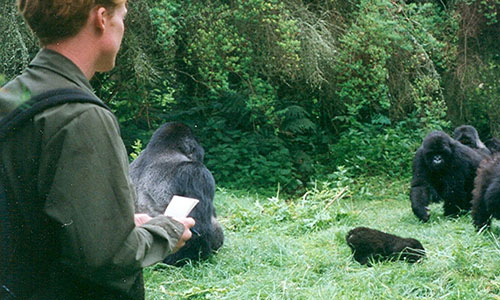 The age restriction is not simply an administrative requirement. It is an important conservation and safety measure designed to protect visitors and the endangered mountain gorillas that live in the forests of Bwindi. A gorilla habituation experience involves hiking through a challenging rainforest environment and spending an extended period observing gorillas in their natural habitat. Participants therefore need to have the physical ability, maturity, and understanding required to follow strict wildlife viewing guidelines.
For families travelling to Uganda with children younger than 15, this rule can be disappointing, especially when the entire family has dreamed of seeing mountain gorillas. However, there are many other wildlife and cultural experiences in Uganda that can be enjoyed by younger travellers. Families can consider a traditional safari, nature walks, boat trips, bird watching, cultural experiences, and other activities depending on the child’s age and the itinerary.
Why Is the Gorilla Habituation Age Limit 15?
Mountain gorillas are wild animals, even though some gorilla families have become accustomed to the presence of researchers, trackers, and tourists. Habituation does not mean that the gorillas have been domesticated. They remain wild animals that must be treated with care and respect.
The minimum age of 15 helps ensure that everyone taking part can understand and follow the instructions provided by the guides and Uganda Wildlife Authority rangers. Visitors need to remain with their group, maintain the required distance from the gorillas, avoid sudden movements, remain calm, and follow instructions if the animals behave unexpectedly.
There is also a physical reason for the age restriction. Gorilla habituation can involve several hours of hiking through Bwindi’s mountainous rainforest. The forest has steep slopes, narrow trails, thick vegetation, slippery ground, mud, roots, streams, and changing weather conditions. The amount of walking required can vary considerably depending on where the gorilla family is located.
Gorilla trekking in Bwindi can require moderate fitness, with treks potentially lasting several hours. The habituation experience starts earlier and includes a maximum of four hours of viewing once the gorillas are located.
For this reason, the age requirement should be considered together with the physical demands of the activity. Being 15 or older does not automatically mean that a person is physically prepared for the experience. Every traveller should honestly consider their fitness, mobility, and ability to walk for several hours in a challenging forest environment.
Gorilla Habituation Experience in Bwindi Impenetrable National Park
The Gorilla Habituation Experience is one of Uganda’s most remarkable wildlife experiences. It takes place in Bwindi Impenetrable National Park, a UNESCO recognised rainforest landscape famous for its population of endangered mountain gorillas.
Bwindi is one of the world’s most important mountain gorilla habitats. The park is home to roughly half of the world’s mountain gorilla population. The park is divided into four gorilla trekking sectors, including Buhoma, Ruhija, Rushaga, and Nkuringo.
The habituation experience differs from ordinary gorilla trekking because visitors spend considerably longer observing a gorilla family. Normal gorilla tracking allows a maximum of one hour with the gorillas, while the Gorilla Habituation Experience allows a maximum of four hours of viewing mountain gorillas.
This additional time can make the experience particularly appealing to photographers who love photographing mountain gorillas, wildlife enthusiasts, researchers, primate lovers, and travellers who want to understand gorilla behaviour in greater depth.
During the experience, visitors may observe gorillas feeding, resting, climbing, playing, communicating, moving through the forest, caring for young ones, or interacting with members of their group. The exact behaviour cannot be predicted because these are wild animals living in their natural environment. That unpredictability is part of what makes gorilla habituation so special.
What Does Gorilla Habituation Actually Mean?
Gorilla habituation is the gradual process through which wild gorillas become accustomed to the presence of humans without being domesticated.
Researchers and trackers spend time with gorilla groups during this process so that the animals gradually become less fearful of human observers. The objective is to allow carefully managed observation while maintaining the natural behaviour of the gorillas.
Visitors taking part in a habituation experience therefore have a unique opportunity to witness a gorilla family that is not necessarily as accustomed to tourists as the groups used for conventional gorilla trekking.
This also means that the experience can feel more unpredictable. The gorillas may move away, remain hidden, come closer than expected, or behave in ways that visitors did not anticipate. The guides and rangers are there to interpret the animals’ behaviour and make decisions about how the encounter should proceed.
The welfare of the gorillas always comes first.
How Long Does Gorilla Habituation Take?
The overall experience involves much more than the time spent directly looking at gorillas.
The Gorilla Habituation Experience begins in the morning and involves preparation, briefing, hiking through the forest, locating the gorilla family, observing the animals, and returning from the forest. The maximum viewing time with the gorillas is four hours.
This distinction is important when planning your day.
Four hours does not mean that you will necessarily spend four hours walking. It refers to the maximum viewing period once the gorillas have been encountered. The trek to find them can take considerably more or less time depending on where the group has moved.
The forest is unpredictable, and gorillas do not follow a tourist schedule.
How Many People Can Take Part?
Gorilla tourism is deliberately limited to reduce pressure on the animals and their habitat. A maximum of eight visitors can visit a gorilla group during standard gorilla tracking. The specific arrangements for habituation experiences can differ according to the group and the applicable permit arrangements, so travellers should confirm the current availability, group size, and permit conditions when making a booking.
Because gorilla permits are limited, advance planning is strongly recommended, particularly for travellers visiting during popular travel periods.
If your travel dates are fixed, it is sensible to arrange the gorilla permit before making other parts of your itinerary non refundable.
How Much Does Gorilla Habituation Cost?
The cost of a Gorilla Habituation Experience should always be confirmed using the latest Uganda Wildlife Authority tariff before booking because tourism fees can change.
The current price for the Gorilla Habituation Experience is US$1,500 per person for the habituation permit. Travellers should verify the applicable tariff for their travel date before making payment.
The permit fee is only one part of the overall cost of a gorilla safari. Travellers should also budget for accommodation, transportation, meals, guide services where applicable, visas, flights, travel insurance, porter services, tips, and other activities.
A good Uganda gorilla safari normally combines Bwindi with other destinations such as Queen Elizabeth National Park, Kibale National Park, Lake Mburo National Park, or Murchison Falls National Park, depending on the length of the trip.
What Happens If a Child Is Under 15?
If someone in your family is younger than 15, they cannot participate in the gorilla trekking or habituation experience activity under Uganda’s minimum age requirement.
It is important not to assume that a child who is physically strong or experienced with hiking will be granted an exception. The minimum age is a formal wildlife tourism requirement.
Instead of trying to find a way around the regulation, families should plan alternative activities for younger children.
Uganda is an excellent family destination because it offers much more than gorillas. Families can enjoy game drives, boat safaris, bird watching, cultural encounters, nature walks, and visits to different national parks.
Older teenagers who meet the age requirement can participate in gorilla trekking or habituation provided they are adequately prepared for the physical demands.
Physical Preparation for Gorilla Habituation
Meeting the minimum age is only the first consideration. Bwindi is a mountainous rainforest, and the terrain can be demanding. The forest is beautiful but not designed like a conventional walking trail in a city park. You may encounter steep climbs, muddy sections, wet vegetation, uneven ground, tree roots, and slippery slopes.
Before travelling, regular walking and cardiovascular exercise can help prepare you for the experience.
You do not need to be an elite athlete, but you should be comfortable walking for several hours and managing uneven terrain.
If you have concerns about your ability to complete the trek, discuss them with your tour operator before travelling. Depending on the circumstances, a porter may be available to assist with carrying your belongings and supporting visitors on difficult sections of the trail.
Good preparation makes a significant difference.
Wear comfortable waterproof hiking boots with good grip. Long trousers and long sleeved clothing are useful because the forest can contain vegetation, insects, and wet conditions. A waterproof jacket is also recommended because Bwindi can experience rain even during periods generally considered favourable for travel.
Carry sufficient drinking water and follow your guide’s advice about food and other personal items.
Health Requirements for Gorilla Trekking
One of the most important gorilla rules concerns infectious illness. Mountain gorillas are closely related to humans and can be vulnerable to some human diseases. For this reason, visitors should not participate in gorilla trekking or habituation if they are sick or experiencing symptoms of an infectious illness.
This rule protects the gorillas as much as it protects visitors.
If you become sick shortly before your trek, tell your tour operator or the relevant authorities rather than hiding your symptoms simply because you have already paid for a permit.
A responsible wildlife experience means putting the welfare of the animals first.
Rules to Follow Around Mountain Gorillas
The rules may seem strict, but every rule exists for a reason. Visitors should remain with their assigned guides and rangers throughout the experience. The guides understand gorilla behaviour and can tell visitors how to respond to different situations.
Visitors should maintain a minimum distance of 10 metres from gorillas. This is an important rule designed to reduce stress and limit the possibility of disease transmission between humans and gorillas.
Visitors should never attempt to touch a gorilla.
Even if a gorilla approaches the group, do not reach out your hand. Allow the animal to decide where it wants to move while following the instructions of your guide and ranger.
Do not feed the gorillas.
Do not smoke around the animals.
Do not eat or drink while you are with the gorillas unless your guide gives specific instructions for an exceptional situation.
Do not litter in the forest.
Do not use flash photography. Flash photography is not permitted because sudden flashes can disturb the gorillas.
Keep your voice low and avoid unnecessary noise. Sudden movements, shouting, or attempts to attract a gorilla’s attention can disturb the animals.
If you need to cough or sneeze, cover your mouth and turn away from the gorillas. This is another important disease prevention measure.
What If a Gorilla Comes Close?
This is one of the questions many first time visitors ask.
The most important thing is to remain calm and follow the instructions of your ranger.
Gorillas are powerful wild animals, but they are not visiting the forest to entertain tourists. They have their own social relationships, movements, feeding patterns, and reactions.
A gorilla may sometimes approach the group or pass nearby. Visitors should not panic, run, reach out, or make sudden movements.
Your guide and ranger will assess the situation and tell you what to do.
The best approach is to trust the professionals who accompany you rather than trying to decide independently how to respond.
Why Gorilla Rules Matter for Conservation
Gorilla tourism is closely connected to conservation.
Mountain gorillas were once considered critically threatened by habitat loss, hunting, disease, and other pressures. Conservation programmes, veterinary intervention, research, habitat protection, community involvement, and carefully managed tourism have contributed to their recovery.
Tourism can provide important financial support for conservation and surrounding communities.
A portion of tourism revenue supports gorilla conservation activities and local communities around protected areas. This creates an important connection between tourism and the protection of the forest and its wildlife.
This means that when visitors follow the rules and pay for legitimate permits, they are participating in a wider conservation system.
The goal is not simply to provide tourists with an exciting wildlife encounter. The larger objective is to create a sustainable relationship between tourism, local communities, protected forests, and wildlife conservation.
Gorilla Habituation Versus Gorilla Trekking
Many travellers are unsure whether they should choose normal gorilla trekking or habituation.
Gorilla trekking is generally the better choice for travellers who want a shorter and more affordable introduction to mountain gorillas.
The habituation experience is better suited to people who want more time with the animals and are particularly interested in gorilla behaviour, photography, conservation, or the research and habituation process.
The two experiences also differ in the amount of time spent observing gorillas. Normal gorilla tracking allows a maximum of one hour with the gorillas, while the Gorilla Habituation Experience allows a maximum of four hours.
Neither experience guarantees a particular behaviour from the animals.
The forest determines what you see.
Sometimes a gorilla family may be highly active. On another day, the animals may spend long periods resting or moving through thick vegetation. The value of the experience comes from observing them as wild animals rather than expecting a scripted wildlife show.
Can You Take Photographs?
Photography is allowed, but visitors must follow the rules. Flash photography is not permitted because sudden flashes can disturb the gorillas. A camera with good low light performance can be particularly useful because Bwindi’s forest canopy can create challenging lighting conditions.
A telephoto lens can also help you photograph the animals without moving closer.
Remember that getting the perfect photograph is never more important than following the instructions of your guide or ranger.
Put the camera down if necessary.
Sometimes the most memorable part of a gorilla encounter is simply watching the animals without looking through a screen.
What Should You Bring?
Preparation can make the day much more comfortable. A typical packing list includes comfortable waterproof hiking boots, long trousers, a long sleeved shirt, a waterproof jacket, drinking water, a small backpack, insect repellent, sunscreen, personal medication, a camera, extra batteries or a power bank, and gloves if you prefer additional protection for your hands. Find out what to pack for gorilla habituation experience in Uganda.
A lightweight backpack is preferable because you may be walking for several hours.
You should also protect electronic equipment from rain. Waterproof bags or dry bags can be extremely useful in Bwindi’s humid forest environment.
A walking stick can also help on steep or slippery sections, although your guide can advise you about what is appropriate for the trail.
Planning Your Bwindi Gorilla Experience
Choosing the right accommodation and trekking sector is important because Bwindi is a large forest with several tourism areas.
Your accommodation should ideally be located close to the sector where your gorilla activity begins. This reduces unnecessary early morning driving and makes the overall experience more comfortable.
Your tour operator can help coordinate accommodation, transportation, permits, guides, and other activities.
If you are flying internationally into Uganda, allow enough time in your itinerary to travel from Entebbe or Kampala to southwestern Uganda. Bwindi is not a destination that should be rushed.
Many travellers combine the gorilla experience with a longer Uganda safari.
For example, an itinerary can include chimpanzee tracking in Kibale National Park, a wildlife safari in Queen Elizabeth National Park, gorilla trekking or habituation in Bwindi, and cultural experiences around the southwestern region.
This creates a much more complete Uganda holiday than visiting Bwindi alone.
Final Thoughts on the Gorilla Habituation Age Limit
The minimum age for the Gorilla Habituation Experience in Bwindi, Uganda is 15 years. The same minimum age applies to gorilla tracking in Uganda.
The restriction protects both visitors and gorillas while ensuring that participants are mature enough to understand and follow the rules of a sensitive wildlife encounter.
For travellers aged 15 and above, the Gorilla Habituation Experience offers a remarkable opportunity to spend up to four hours observing mountain gorillas in the ancient rainforest of Bwindi. The experience is physically demanding, but careful preparation, appropriate clothing, good fitness, and experienced guides can make the journey much more enjoyable.
For families travelling with children below the age of 15, there is no need to cancel a Uganda holiday. The country offers an extraordinary range of wildlife, nature, cultural, and adventure experiences suitable for different ages.
Above all, remember that gorilla tourism is a privilege. The forest belongs to the gorillas and the many other species that depend on it. Visitors are guests in their environment.
By respecting the age requirement, maintaining the required distance, avoiding illness, following ranger instructions, avoiding flash photography, protecting the forest from litter, and treating the gorillas with respect, travellers help ensure that future generations can experience these remarkable animals too.
If you are planning a Gorilla Habituation Experience in Bwindi and would like help arranging permits, accommodation, transportation, and a complete Uganda safari, contact us for a personalised quotation and itinerary based on your travel dates and group size.